

Practical Advice for a First-Time Piano Purchase.
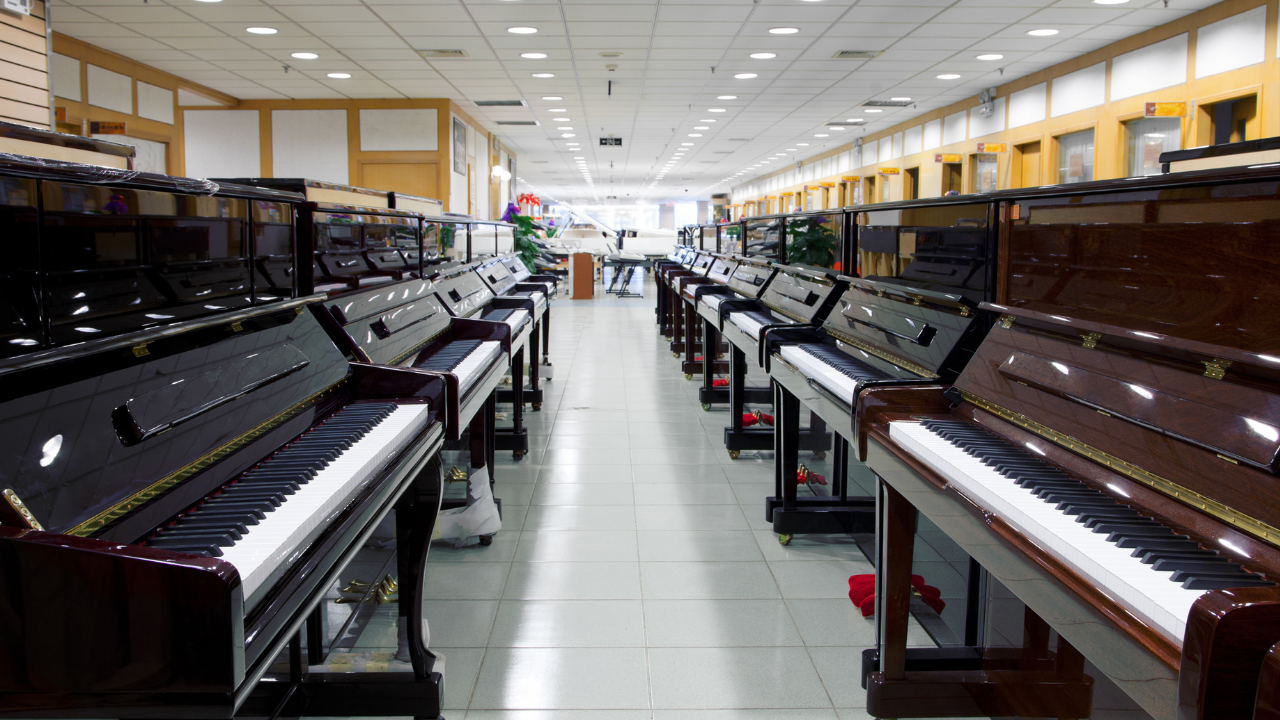
Thinking about owning an acoustic piano? Here are a few helpful factors to consider as you explore the piano marketplace and look for the right instrument for you.
PRICE
Start by deciding how much you’d like to spend on a piano. Knowing your budget before you shop can help you stay within a range that feels comfortable.
If your budget is $3,000 to $7,000+, your best bet would be a used upright in good condition. The most common upright piano brands on the market today are Yamaha and Kawai, both of which have reputations for solid, dependable construction.
In the $10,000 to $20,000 price range, you can expect higher-quality upright pianos. You may also find that a pre-owned grand piano is within reach. Professional pianists don’t consider well-maintained pre-owned pianos second-rate, and a new piano may cost two or three times as much. A used piano in good condition is not necessarily a step down from a new instrument if it has been maintained in excellent condition.
Used grand pianos most frequently seen in showrooms are built by manufacturers such as Yamaha, Kawai, Mason & Hamlin, Petrov, Essex, Baldwin, Schimmel, Estonia, and Seiler. A Steinway, or German or Austrian make piano, such as Bechstein or Bösendorfer, will typically be at a higher price point, although some are occasionally within financial reach.
WHAT SIZE PIANO IS BEST FOR ME?
A quality upright piano is better than a grand piano in horrible condition, but a full-sized grand piano in excellent condition beats any upright. Your budget and available living space matter more when making a first-time purchase.
Many people assume they don’t have room for a piano before taking the time to measure. First, consider where it might fit in your home—perhaps in the living room or an extra bedroom. Rather than guessing, use a tape measure to check the exact dimensions down to the inch. Visual estimates can often be misleading.
If you have 70 inches of wall space, you’ll have plenty of room for an upright piano. That same space may also fit a parlor-size grand piano measuring around 5’8". Looks can be deceiving, so measure your space carefully before making a buying decision.
PIANO CONDITION
A friendly reminder: try to avoid so-called ‘fixer-uppers’. A little wear on the wood surface is usually no big deal, but replacing the soundboard, strings, and hammers can add up to thousands of dollars. Choose an instrument that’s ‘good to go’.
If you have any questions about the condition of a piano you are considering, you might want a piano technician to examine it for a second opinion. That applies to pianos offered in retail stores or in private homes.
APPEARANCES OF VARIOUS PIANOS
Everyone wants a beautiful-looking instrument. But beware surface appearances: a glossy exterior is not the piano’s true value; that lies in the instrument's tone quality and the responsiveness of its keyboard mechanism. The keyboard should be even and clean. The interior should not show any signs of rust or accumulated dust. An attractive exterior is a plus, but it does not indicate the quality of the instrument’s interior.
WHAT TO LOOK FOR WHEN PIANO SHOPPING
When trying out each piano, play a few measures of a musical piece in the treble, then a different passage for a few measures in the middle range, and then in the bass. Play the same musical passages on each piano; that way, the contrasts between pianos will leap out immediately.
The keyboard action should be consistent. The keys should never jangle, and the key weight should not be too sluggish or too loose. Test the tone quality: is it melodious or harsh?
Test the responsiveness of the piano action by noticing how gently and delicately the keys respond to your touch. Try repeating a single note, starting at mezzo forte and gradually playing more softly—first mezzo piano, then pianissimo, until the sound fades away completely. If the action feels crude, you may not be able to play more softly than mezzo forte, or mezzo piano at best. A piano with only two loudness levels can make it difficult to express yourself musically.
SCAN THE PIANO MARKETPLACE
Take some time to browse the websites of local and out-of-state piano dealers to get a feel for the types of instruments available and how their prices compare. When you visit piano retailers, you don’t have to buy an instrument that day. Give yourself plenty of time to try every piano you can, even ones you don’t plan to purchase. Comparing different types of pianos is an informative way to learn firsthand about their unique qualities.
A great resource is The Piano Book: Buying & Owning a New or Used Piano, by Larry Fine.
This book helps buyers compare a variety of piano brands, with helpful information on pricing, maintenance, storage, and rebuilding. Whether you’re a beginner or a seasoned professional, you’ll find this guidebook valuable, and its more than 100 illustrations make it even more useful.
You may also find useful information in the PianoWorld website's piano technicians section, where professional tuners and builders discuss important issues and respond to inquiries about how to assess different pianos.
Buying a piano is more than choosing another piece of furniture—it’s a meaningful addition to your artistic life. A thoughtful purchase may be a once-in-a-lifetime decision, or it may be the first of several pianos you enjoy over the years.